Executive Overview
Cowichan Valley is entering a defining decade.
Located between Victoria and Nanaimo on Vancouver Island, the region combines fertile agricultural land, extraordinary natural assets, strong community identity, Indigenous leadership, emerging technology and creative sectors, established tourism demand, and significant public and private investment. At the same time, Cowichan Valley faces growing pressure related to housing affordability, workforce retention, infrastructure capacity, healthcare access, water security, food resilience, and equitable economic development.
The Green Nation Collective SEE Impact Regional Development Evaluation scored Cowichan Valley 80 out of 100 for SEE Impact potential and 82 out of 100 for ecosystem opportunity, identifying the region as one of the strongest candidates for coordinated regenerative development. The evaluation found that Cowichan Valley is not constrained by a lack of opportunity, but by the absence of a sufficiently coordinated platform capable of aligning community priorities, capable organizations, strategic expertise, and investment capital.
SEE Impact Evaluation · Green Nation Collective
The Cowichan Valley SEE Impact Initiative is being established to provide that platform.
Its purpose is to advance a 10-year vision for the region in which Social, Environmental, and Economic outcomes are planned together, rather than pursued through disconnected projects or addressed after development has already occurred.
The initiative will not attempt to own or operate every project required to achieve this vision. Instead, it will establish a dedicated Regional Project Management Office, or Regional PMO, that can:
- Identify regional needs and opportunities.
- Evaluate proposed initiatives through the SEE Impact Framework.
- Work alongside organizations already creating meaningful impact.
- Convene municipalities, First Nations, nonprofits, businesses, institutions, investors, and community leaders.
- Structure governance, partnerships, development plans, and capital strategies.
- Help move high-impact initiatives from vision to execution.
- Measure results across social, environmental, and economic outcomes.
The initiative will begin with three catalyst projects where urgent needs, established relationships, regional benefit, and near-term execution potential already intersect:
- Workforce Housing
- Sports, Community Wellness and Sports Tourism
- The Cherry Point HCE Innovation and Wellness Campus
These are not the full vision. They are the first projects capable of demonstrating it.
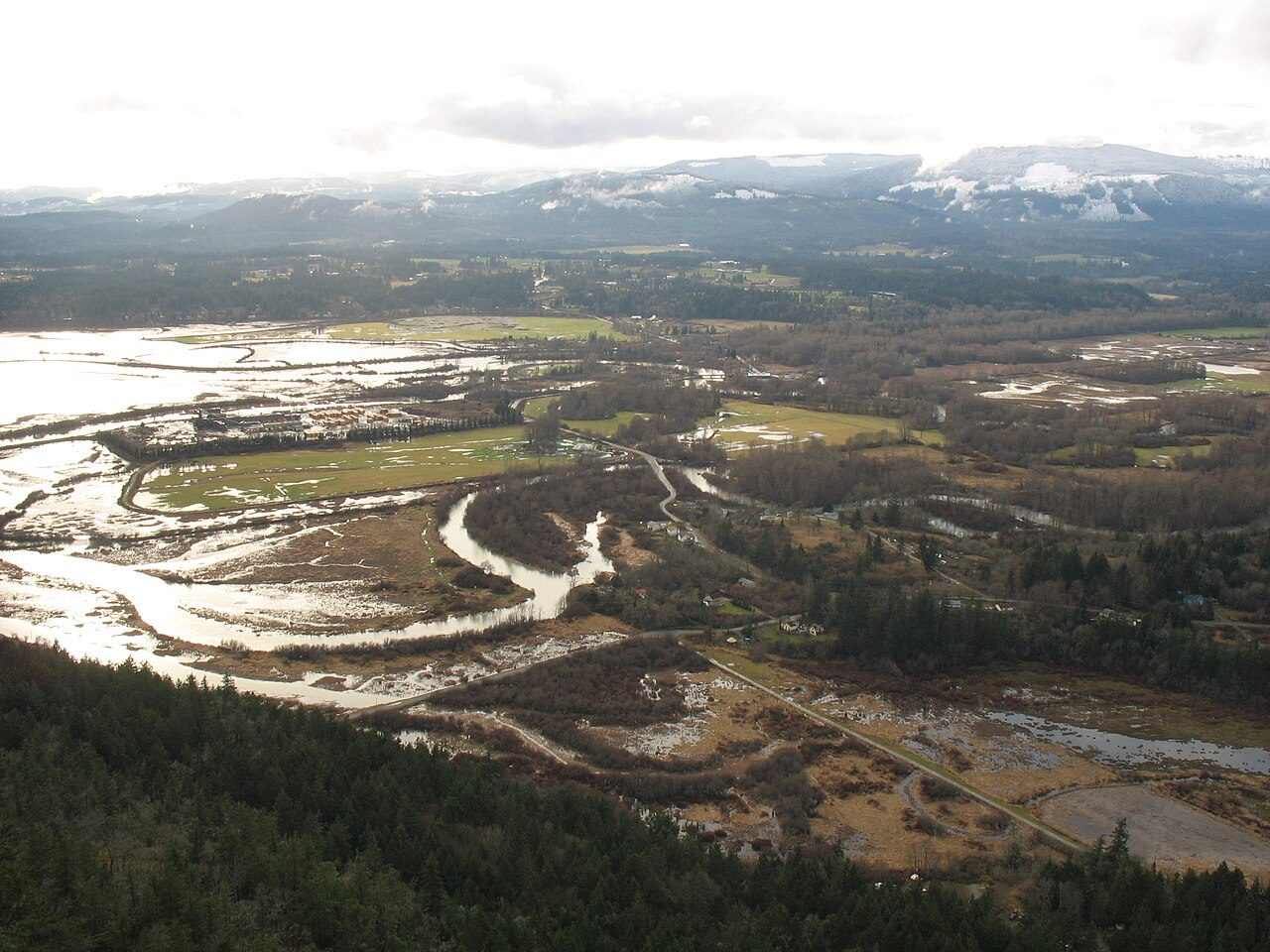 Cowichan River Delta
The 10-Year Vision
The ambition is to help Cowichan Valley become one of Canada’s leading examples of regenerative regional development: a place where growth strengthens communities, restores natural systems, expands opportunity, and generates sustainable economic prosperity.
Over the next decade, the Cowichan Valley SEE Impact Initiative will work with regional partners to advance the priorities identified through the SEE Impact Evaluation, including:
- Attainable and workforce housing
- Healthcare and preventative wellness
- Regenerative agriculture and regional food security
- Water stewardship and climate resilience
- Renewable and distributed energy
- Indigenous-led economic development and co-development
- Sports, recreation and community health
- Tourism and destination development
- Youth training and workforce development
- Entrepreneurship, technology and the creative economy
- Environmental restoration
- Community infrastructure
- Impact investment and local capital formation
The region already possesses many of the foundational assets required to achieve this vision. It has more than 700 farms, an established wine and agritourism sector, significant outdoor recreation, a growing technology presence, deep cultural and artistic capacity, and increasing demand for wellness and experience-led tourism. However, housing pressure, infrastructure constraints, water stress and workforce shortages threaten the region’s ability to grow equitably.
The central question is therefore not whether Cowichan Valley will grow.
The initiative exists to help shape that answer.
A Regional Platform for Delivery
The Cowichan Valley Regional PMO
The Regional PMO will serve as the long-term delivery platform for the SEE Impact vision.
It will not replace municipalities, First Nations, nonprofits, associations, developers, institutions, or community organizations already leading important work. Its role will be to come alongside them, strengthen their capacity, connect complementary efforts, and help solve the strategic, organizational, financial, and execution challenges that prevent worthwhile projects from moving forward.
Some initiatives may require only coordination or strategic support. Others may require feasibility analysis, governance design, capital formation, development management, operational planning, or long-term partnership.
The level of participation will be determined by the needs of each project and the role the initiative can credibly play.
HCE System Support
The Cowichan Valley SEE Impact Initiative will be supported by the broader HCE System, the operating framework created to help heart-centred enterprises, projects, and regional initiatives move from vision into disciplined execution. Through an integrated partnership between Green Nation Collective, Foundry House, and Mycelium Capital, the initiative will have access to specialized capacity across regenerative development, SEE Impact evaluation, ecosystem partnerships, organizational design, governance, project delivery, financial structuring, legal oversight, capital formation, and investor relations.
Green Nation Collective will help steward the initiative’s social, environmental, and economic impact mandate; Foundry House will support the organizational, operational, and project-delivery infrastructure; and Mycelium Capital will provide financial and legal governance, capital strategy, and investment support. Together, these organizations will strengthen the Regional PMO without replacing the leadership of local partners, allowing the initiative to draw upon an established operating system while remaining deeply rooted in the needs, relationships, and long-term aspirations of Cowichan Valley.
The Regional PMO will perform five core functions:
1. Regional Opportunity and Needs Assessment
The PMO will continuously evaluate changing conditions across the region, identify unmet needs, and maintain a living portfolio of potential SEE Impact initiatives.
This will allow the initiative to respond to opportunities presented by partners while also proactively identifying gaps where additional leadership, collaboration, or capital is required.
2. SEE Impact Evaluation and Prioritization
Projects will be assessed against their potential to create measurable:
- Social wellbeing
- Environmental stewardship
- Economic development
- Community benefit
- Partnership alignment
- Long-term scalability
- Development readiness
This process will help distinguish promising ideas from initiatives that possess the alignment, leadership, structure, and readiness required for successful delivery.
3. Partnership and Governance Development
The PMO will convene the appropriate combination of public, private, Indigenous, nonprofit, philanthropic, institutional, and community partners around each opportunity.
Particular importance will be placed on establishing respectful and substantive partnerships with First Nations. Where appropriate, this may include governance participation, community benefit agreements, economic participation, revenue sharing, co-development, or co-ownership—not consultation alone.
4. Project Development and Capital Formation
The PMO will help prepare aligned projects for implementation by coordinating:
- Feasibility and market analysis
- Development planning
- Financial modelling
- Legal and ownership structures
- Capital strategies
- Government and philanthropic funding
- Impact investment
- Operating partnerships
- Risk management
- Project-level execution plans
5. Delivery Oversight and Impact Measurement
Once projects advance, the PMO will support disciplined execution, establish clear accountability, and measure results against defined SEE Impact objectives.
An annual regional portfolio review will demonstrate what has been accomplished, where challenges remain, and which opportunities should be prioritized next.
 Lake Cowichan
The First Three Catalyst Projects
The SEE Impact Evaluation identifies a broad portfolio of opportunities across housing, food security, agriculture, water, energy, healthcare, tourism, Indigenous development, workforce training and community infrastructure.
The first three catalyst projects have not been selected because they are the only regional priorities. They have been selected because they represent the strongest current intersection of:
- Immediate regional need
- Meaningful social and economic benefit
- Existing relationships
- Available expertise
- Partner readiness
- Near-term development potential
- Capacity to create visible and measurable impact
Together, they can establish the credibility, partnerships, operating infrastructure, and momentum required to advance the broader 10-year portfolio.
Catalyst One: Workforce Housing
Housing affordability has become one of the most significant constraints on Cowichan Valley’s economic and social resilience. The SEE Impact Evaluation identifies housing pressure as a direct threat to workforce retention, young families, essential services, agriculture, hospitality and long-term community stability.
The development of the new Cowichan District Hospital further increases the urgency. Attracting and retaining healthcare professionals will require more than a modern medical facility. Doctors, nurses, technicians, support staff and the broader workforce serving the hospital will require attainable places to live.
The initiative will work with landowners, healthcare stakeholders, First Nations, municipalities, housing organizations, developers and capital partners to identify and advance workforce housing opportunities.
The objective is not simply to increase unit count. It is to create well-designed, sustainable, mixed-income communities that support healthcare workers, teachers, first responders, tradespeople, hospitality workers, young professionals and families.
These developments can also demonstrate new approaches to:
- Attainability and long-term affordability
- High-performance and low-carbon construction
- Community-centred design
- Efficient land use
- Local employment and procurement
- Shared amenities
- Transportation connectivity
- Water and energy efficiency
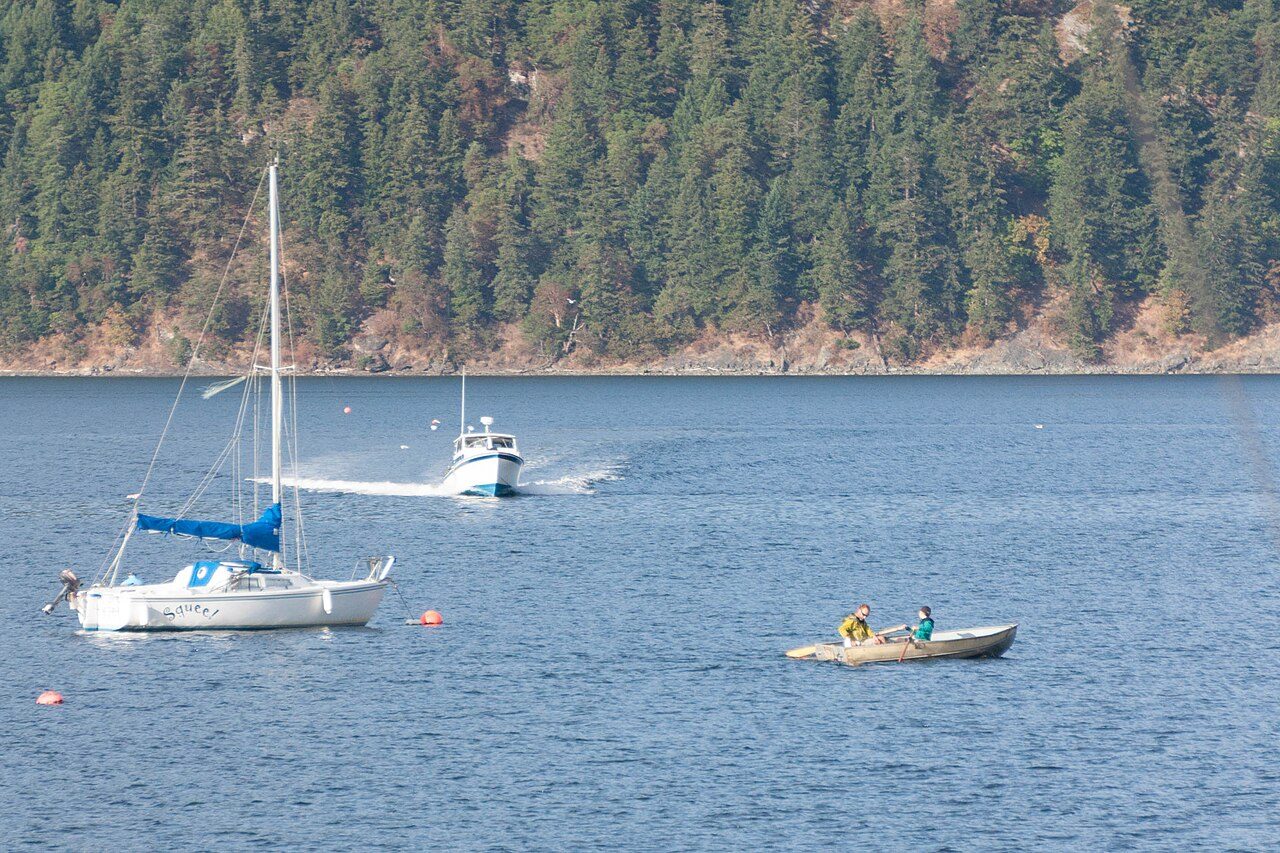 Cowichan Bay
Catalyst Two: Sports, Community Wellness and Sports Tourism
Sport is both social infrastructure and an economic catalyst.
A regional Sportsplex could provide Cowichan Valley with a central destination for recreation, tournaments, training, community programming and year-round events. It could strengthen public health, support youth development, provide opportunities for adaptive and inclusive sport, and generate new demand for accommodation, restaurants, retail, transportation and local experiences.
The initiative will work with sports associations, tourism organizations, municipalities, schools, First Nations, hospitality operators, health and wellness partners, and community nonprofits to develop a coordinated regional model.
Sports tourism revenue can also help support a dedicated nonprofit or community-access structure, allowing a portion of visitor-generated economic activity to subsidize participation for children, families and individuals who might otherwise be excluded because of cost.
The result would be more than a facility.
It would be an integrated platform for:
- Community health and wellness
- Youth development
- Accessible and inclusive sport
- Regional tournaments
- Training camps
- Sports medicine and performance
- Indigenous sport and cultural programming
- Tourism growth
- Local business development
- Volunteerism and community connection
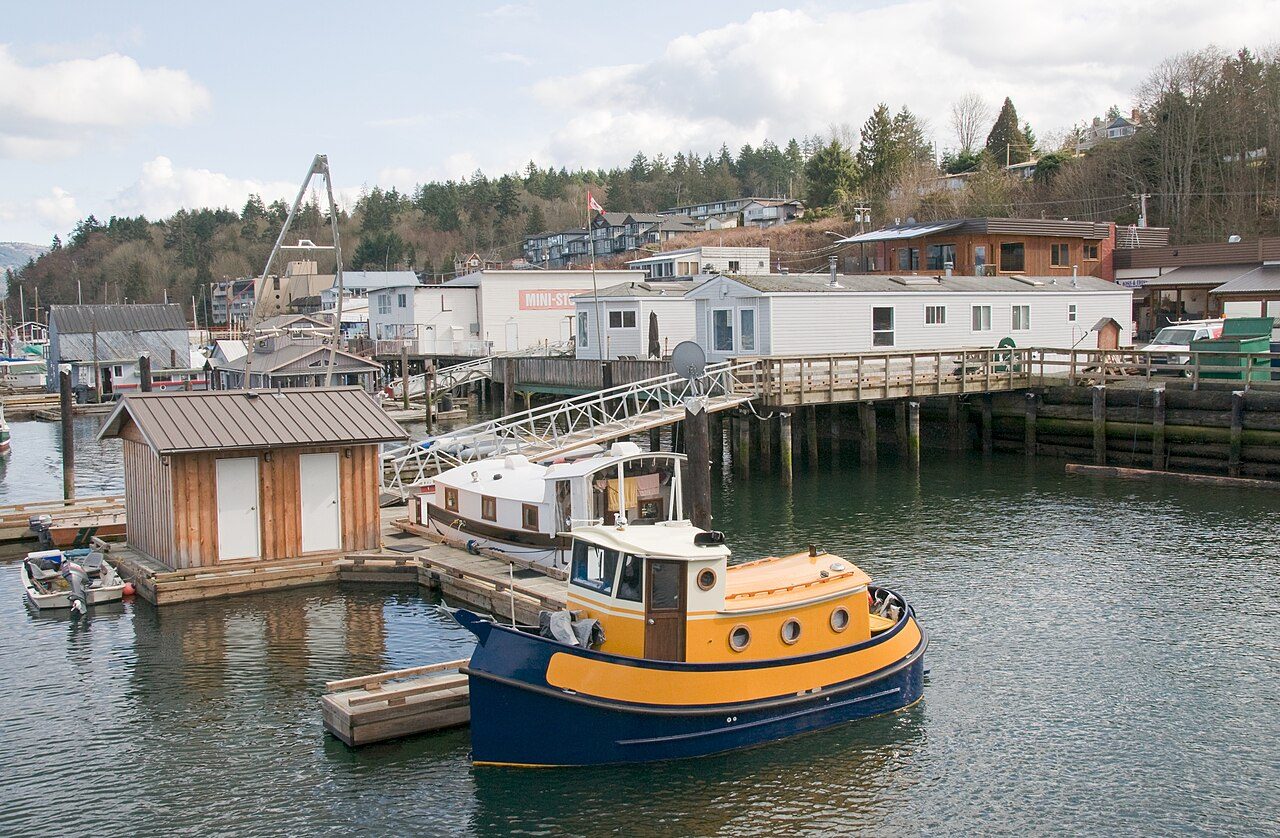 Cowichan Bay village
Catalyst Three: The Cherry Point HCE Innovation and Wellness Campus
Cherry Point has the potential to become the physical centre of the Cowichan Valley SEE Impact Initiative and a visible manifestation of the HCE System.
The property would be developed as an integrated destination for leadership, wellness, creativity, entrepreneurship, philanthropy and regional collaboration.
Its potential uses include:
- Executive and organizational retreats
- High-end wellness experiences
- Leadership development
- Founder and entrepreneur residencies
- Business incubation and acceleration
- Strategic planning gatherings
- Impact investment forums
- Creative production and storytelling
- Charitable events and fundraisers
- Community and partner convenings
- Regenerative agriculture demonstrations
- Health, vitality and preventative wellness programming
Cherry Point would not operate as an isolated retreat property. It would serve as a regional catalyst—bringing people, ideas, organizations and capital into Cowichan Valley while helping promising initiatives move from concept to implementation.
It would become a place where leaders gather around regional challenges, entrepreneurs build impact-focused companies, partners design collaborative solutions, and investors encounter a living demonstration of the SEE Impact vision.
Launch and Action Plan
Phase One: Establish the Platform | 0–6 Months
The first phase will focus on creating the foundation required for disciplined regional delivery:
- Establish the Regional PMO and initial leadership structure.
- Form a regional advisory and partnership network.
- Confirm governance, legal and financial structures.
- Validate the initial project portfolio.
- Begin formal engagement with municipalities, First Nations, institutions and community organizations.
- Complete preliminary feasibility and development assessments for the three catalysts.
- Develop project-level capital and ownership strategies.
- Establish SEE Impact measurement and reporting protocols.
- Prepare the next stage of investment and partnership materials.
Phase Two: Advance the Catalysts | 6–18 Months
The second phase will move the initial projects through structured predevelopment:
- Secure priority sites and development pathways.
- Complete feasibility, planning, design and market studies.
- Establish project-specific partnerships and entities.
- Advance municipal, regulatory and community engagement.
- Formalize development and operating partners.
- Pursue public, private, philanthropic and impact capital.
- Launch pilot programming at Cherry Point where feasible.
- Develop the sports tourism and community-access model.
- Advance the first workforce housing opportunity toward approvals and construction readiness.
Phase Three: Deliver and Expand | 18–36 Months
The third phase will focus on execution and portfolio expansion:
- Commence delivery of investment-ready catalyst projects.
- Establish project-level operating and reporting systems.
- Publish annual SEE Impact results.
- Evaluate new initiatives entering the regional pipeline.
- Expand partnerships across agriculture, food security, water, energy, tourism, healthcare, education and environmental restoration.
- Prepare additional projects for investment and implementation.
The Initial Capital Raise
The initial capital raise will capitalize the platform required to launch the Cowichan Valley SEE Impact Initiative and advance the three catalyst projects to clearly defined investment and development milestones.
Capital is expected to support:
- Regional PMO establishment and staffing
- Governance, legal and financial structuring
- Strategic partnership development
- Community and First Nations engagement
- Project sourcing and evaluation
- Feasibility and market studies
- Planning, design and predevelopment
- Financial modelling and capital formation
- Impact measurement and reporting
- Communications and strategic partner engagement
- Initial project advancement and working capital
The capital strategy is intended to distinguish between platform-level launch capital and project-specific investment capital.
Platform capital enables the Regional PMO to build the partnerships, diligence, governance and development infrastructure necessary to create a sustained pipeline of viable projects. As individual opportunities mature, they may be separately financed through project-specific entities using the most appropriate combination of equity, debt, government funding, philanthropy, community investment and strategic participation.
This creates an opportunity for early partners to participate not only in a single asset, but in the formation of a long-term regional impact platform with the potential to originate, support and advance multiple projects over the coming decade.
Final investment structures, participation rights and project-level economics will be determined through continued diligence and definitive documentation.
 Lake Cowichan
An Invitation to Build the Future Together
The future of Cowichan Valley will not be built by one organization.
It will be built by First Nations working with municipalities.
By nonprofits working with businesses.
By healthcare institutions working with housing partners.
By sports associations working with tourism operators.
By farmers working with food entrepreneurs.
By developers working with environmental stewards.
By philanthropists, investors, educators, artists, community leaders and residents choosing to align around a shared regional vision.
The role of the Cowichan Valley SEE Impact Initiative is not to own that future.
To connect the people already doing meaningful work.
To bring additional capacity where it is needed.
To align strategy, partnerships and capital.
To transform individual initiatives into a coordinated regional portfolio.
And to demonstrate that social wellbeing, environmental stewardship and economic prosperity do not need to compete with one another.
They can be designed together.
The three catalyst projects are where the work begins.
The transformation of Cowichan Valley is the vision they are intended to unlock.